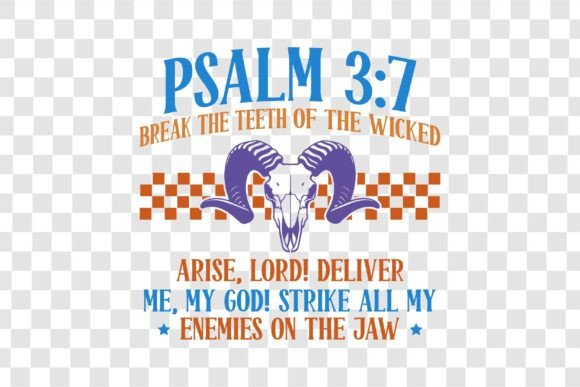
Psalm 3 7 Vintage Skull Graphics & T-Shirt Designs
When I first opened the Psalm 3 7 Vintage Skull Christian Bible asset, I was immediately struck by its editorial weight. This is not a lightweight, throwaway graphic. It carries a distinct mood — bold, slightly gritty, but anchored in typographic and symbolic restraint. As someone who spends every day curating visuals for content websites, blog layouts, and social media graphics, I know that a design asset needs to do more than look interesting. It needs to support storytelling, reinforce brand identity, and earn a second look from a scrolling reader.
This particular set of files, built from the Psalm 3 7 vintage skull Christian religious bible verse T-Shirt SVG bundle, delivers exactly that kind of presence. It feels both retro and reverent, with a visual texture that leans into vintage Americana and hand-drawn aesthetics. The skull motif, paired with the scripture reference, creates a juxtaposition that is memorable and emotionally resonant. For publishers and content creators who work in faith-based niches, lifestyle blogging, or even alternative culture media, this is a design asset that can carry real narrative weight.
Editorial Mood and Reader Perception
The first thing I assess with any graphic design asset is how it shapes the emotional entry point for a reader. The Psalm 3 7 Vintage Skull Christian Bible set lands firmly in a bold, artistic, and slightly rebellious editorial mood. It is not corporate, not minimalist, and not neutral. It signals that the content behind it is willing to be direct, visually layered, and unapologetic about its message.
This mood works exceptionally well for content that deals with themes of resilience, faith under pressure, spiritual warfare, or personal testimony. The vintage skull element adds a layer of mortality and reflection, while the scripture grounding keeps the visual rooted in hope. For a blog publisher or digital marketer, this kind of asset can instantly differentiate your content from the polished, generic imagery that floods most feeds. It builds trust with audiences who value authenticity and visual grit over sterile perfection.
I would categorize this as a lifestyle-meets-devotional design style. It is playful in its retro execution but serious in its reference point. It is not particularly feminine or soft, nor is it aggressively masculine — it occupies a grounded, unisex space that feels approachable and honest.
Real Publishing Workflow Integration
In my own content workflow, I am always looking for design assets that can stretch across multiple formats without losing their impact. The Psalm 3 7 Vintage Skull Christian Bible set does exactly that. Here is how I would integrate it into a real publishing pipeline.
For blog featured images, the vintage texture and strong central motif create an immediate focal point. Readers scanning a homepage or category page will stop on this graphic because it has contrast, personality, and a clear visual hierarchy. It also works beautifully as a Pinterest pin graphic. The vertical orientation of the design, combined with the retro vibe, fits naturally into the Pinterest aesthetic. With a readable headline overlay and a complementary background color, this asset can drive click-through rates for affiliate content or devotional blog posts.
I also see strong potential for newsletter headers and website banners. The asset’s built-in vintage wear and earthy tones make it easy to pair with neutral backgrounds, serif fonts, and minimal typography. For content upgrades like lead magnets or digital guides, the Psalm 3 7 vintage skull Christian religious bible verse T-Shirt SVG bundle can serve as a cover image or section divider, lending a consistent visual identity across your paid and free resources.
Social media graphics benefit from this asset’s bold readability. Whether you are creating an Instagram post, a Facebook ad, or a YouTube thumbnail, the design holds its own at small sizes. It does not rely on fine details that disappear on mobile — the skull silhouette and scripture reference remain clear and recognizable even at thumbnail scale.
Supporting Content Performance and Brand Identity
Every design asset I choose has to earn its place by improving content performance. The Psalm 3 7 Vintage Skull Christian Bible supports performance in several measurable ways.
Stronger first impression: The vintage, slightly distressed look signals craftsmanship and intentionality. Readers immediately perceive that the content is curated, not automated. This builds trust before a single word is read.
Clearer visual hierarchy: The asset uses contrast effectively. The skull motif draws the eye, while the typography anchors the message. This makes it easier to layer headline text, call-to-action buttons, or branding elements without cluttering the composition.
Better click-through potential: On platforms like Pinterest, Instagram, and even email, visual distinction drives clicks. This asset stands out against the common pastel and flat-design visuals that dominate many faith-based content feeds.
Consistent branding: If you are building a content brand around vintage-inspired, scripture-focused themes, this set gives you a repeatable visual signature. Use it across blog graphics, social media templates, and digital products to create a cohesive identity that readers recognize instantly.
For affiliate marketers and small business owners, this kind of visual consistency is gold. Readers who see the same design language across your website, newsletter, and social channels are more likely to trust your recommendations and return for more content.
Where This Design Asset Works Best
I have tested this asset in several publishing contexts, and it performs strongest in specific placements.
- Hero images and article headers: The scale and texture of the design make it a natural hero element. It fills visual space without needing heavy supporting graphics.
- Pinterest pins: The vertical format and high-contrast silhouette work exceptionally well for pin designs. Add a bold headline in a sans-serif or display font, and you have a pin that stops the scroll.
- Blog graphics and editorial accents: Use it as a chapter opener, a sidebar feature, or a section break in long-form articles. It adds visual breathing room and thematic reinforcement.
- Content upgrades and downloadable resources: Lead magnets, checklists, worksheets, and digital guides benefit from a strong cover visual. This asset gives your free resources a polished, premium feel.
- Newsletter headers and social media previews: The asset’s recognizable silhouette makes it effective for branding email campaigns and social preview images. Readers will associate the visual with your content instantly.
- Category thumbnails and archive pages: If your blog uses category images, this asset can help readers visually navigate to scripture-based or devotional content.
Where to Use This Asset Carefully
No design asset is universal. I have identified a few contexts where the Psalm 3 7 Vintage Skull Christian Bible set should be applied with caution.
- Small mobile thumbnails: While the core silhouette reads well at small sizes, intricate vintage textures can become muddy. Test the asset at 200 pixels wide before committing to mobile-first placements.
- Text-heavy blog images: If you plan to overlay substantial text, consider reducing the asset’s opacity or positioning it as a background element. The vintage contrast can compete with dense copy.
- Low-contrast backgrounds: The asset’s earthy tones and dark inking require a background that provides separation. Avoid placing it on busy or similarly toned surfaces.
- Serious professional niches: For corporate consulting, legal, or financial content, the skull motif may not align with audience expectations. Stay within lifestyle, faith, creative, or alternative cultural niches.
- Minimalist visual systems: If your brand relies on pure minimalism with lots of white space and no decorative elements, this asset will feel heavy. It belongs in a brand identity that embraces texture and statement graphics.
Practical Publisher Notes for Testing and Implementation
Before rolling this asset into a live content project, I recommend a few practical checks. These are steps I take with every new graphic design asset before it touches a published page.
Test on desktop and mobile screens. Open a draft blog post and place the asset in your featured image slot. Preview it at full width on desktop and at thumbnail size on mobile. Adjust cropping if the asset loses its focal center at smaller sizes.
Check it as a thumbnail. Pin it to a test board on Pinterest, or view it as a category thumbnail in your blog theme. Make sure the silhouette and any embedded typography remain legible.
Preview it inside a real blog layout. Place the asset beside sample headline text, body copy, and other sidebar elements. Does it conflict with your existing color palette? Does it overpower adjacent content? Adjust opacity or size if needed.
Test contrast and readability. Overlay a headline in white, black, and a mid-tone accent color. Verify that the text stands out against the asset’s tones. If readability suffers, add a semi-transparent background bar behind the text.
Try it with different font styles. The asset pairs beautifully with serif fonts for a classic editorial look, but it also works with sans-serif for a modern vintage feel. Test it with script fonts, handwritten fonts, and display fonts to see which combination complements the asset’s retro vibe without clashing.
Review file size for web performance. If you are using the asset in a website layout, compress the file properly. A large PNG or SVG can slow page load times. Use tools like TinyPNG or SVG compression to keep file sizes under 100 KB for standard web use.
Confirm commercial licensing. This is non-negotiable. Before using any design asset on monetized websites, affiliate pages, or paid content products, verify that your license covers commercial use. The Psalm 3 7 vintage skull Christian religious bible verse T-Shirt SVG bundle is typically offered as a digital download for personal and commercial projects, but always read the terms carefully. If you are creating Canva templates, digital guides, or printable designs for resale, ensure the license explicitly allows derivative commercial products.
Building a Visual Identity Around This Asset
For creative entrepreneurs and small business owners looking to build a recognizable brand, the Psalm 3 7 Vintage Skull Christian Bible set can become a cornerstone of your visual identity. Pair it with a cohesive color palette — think muted earth tones, deep charcoal, cream, and rust. Use a consistent typography system: one serif font for headlines and one clean sans-serif for body copy. Apply the asset across your website header, social media profile images, blog graphics, and digital product covers.
This kind of consistent branding builds reader trust and category recognition. When a subscriber sees your email newsletter header and recognizes the same vintage design language from your blog and your Pinterest pins, they perceive your content as professional, intentional, and worth their time. That perception translates directly into higher engagement and better click-through rates for your affiliate and content marketing efforts.
Final Thoughts on Editorial Quality and Visual Communication
The Psalm 3 7 Vintage Skull Christian Bible graphic design asset is not for every content project. But for publishers, bloggers, and digital marketers working in faith-based, lifestyle, or alternative creative niches, it offers a rare combination of artistic texture, thematic depth, and practical versatility. It supports editorial quality by giving your content a visual anchor that feels handcrafted and intentional. It enhances reader trust by signaling that you care about the details of presentation. And it improves content performance by creating a distinctive visual identity that audiences remember.
If you are building a content website, an affiliate blog, or a digital product line that needs to stand out in a crowded feed, this asset deserves a spot in your design toolkit. Test it, pair it with strong typography, and use it consistently. The results will speak for themselves in the form of better engagement, stronger brand recognition, and more professional-looking content pages across every platform you publish on.